What do plants like orchids, petunias, roses, and geraniums have in common? If we want them to bloom, we must feed and water them properly.
Orchids, petunias, roses, and geraniums are always in bloom.
Spring is an ideal season for growing many plants. Some plants to consider for spring planting are annuals.
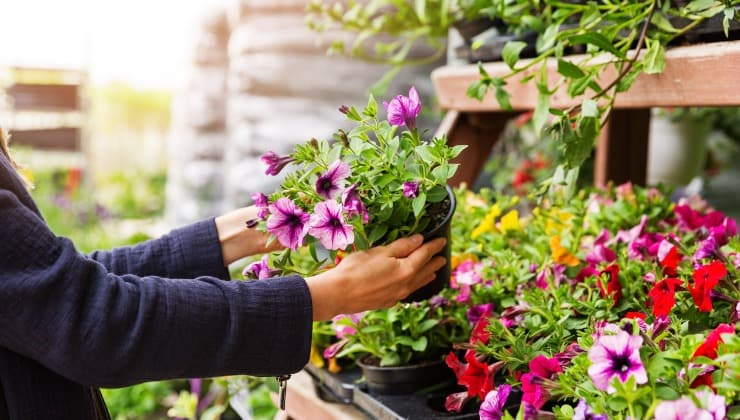
In fact, it’s possible to grow annual flowers such as petunias, begonias, impatiens, and marigolds. These are easy-to-grow plants that produce striking, colorful flowers.
Many perennials also bloom in spring, such as lilies, daffodils, and tulips. These plants bloom every year and can create colorful and inviting gardens.
You can even plant fruit trees if you have enough space, and spring is the ideal time to plant these trees, so they can establish themselves well before summer.
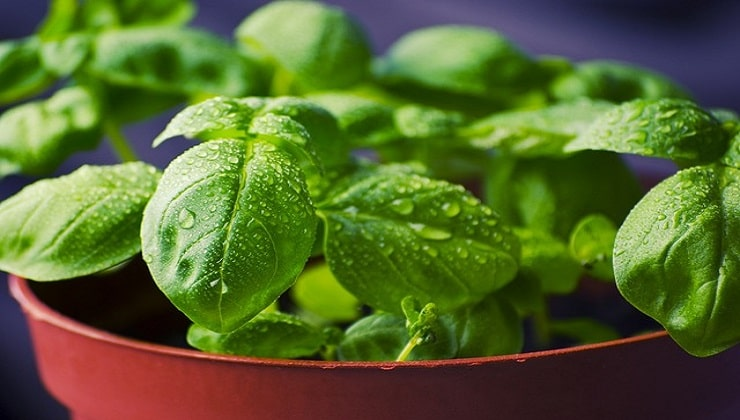
Spring is also a good time to plant herbs like basil, mint, rosemary, and thyme. These plants can be grown in containers or in the garden and are ideal for adding flavor to your dishes.
It’s important to remember that plants have specific needs in terms of light, water, and nutrients, so be sure to choose plants that are appropriate for your climate and growing area, and follow the specific care instructions for each plant you choose to grow.
Pruning is very important, so it is good to remove withered flowers and dead parts of the plants to encourage continued flowering.
Plants should be fertilized regularly with a balanced fertilizer for flowering plants. In general, petunias, geraniums, and roses require fertilizers high in potassium to promote flowering, while orchids require a fertilizer specifically for epiphytic plants (those that do not grow in the ground).
How to Make Them Bloom Nonstop
Let’s see how you can encourage active growth and lush blooms in garden flowers such as roses, petunias, geraniums, violets, and other plants.
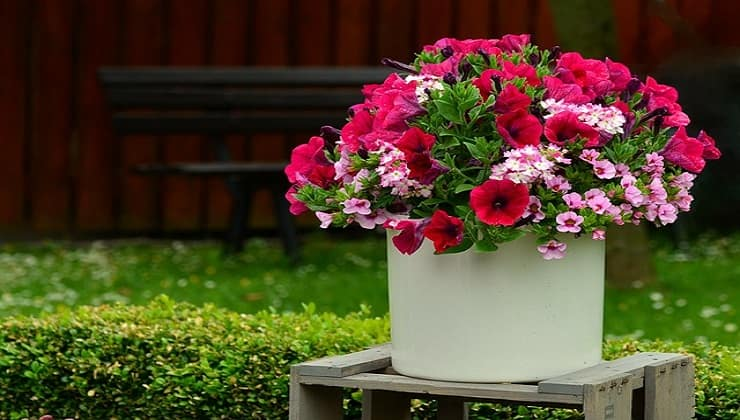
Make sure your plants get enough sunlight. Most of these plants need at least six hours of direct light a day. Roses also require plenty of morning sun exposure.
By providing a “top dressing,” we provide plants with nitrogen for lush foliage growth and phosphorus for root growth and development. In addition, we provide potassium for active buds and lush flowering, as well as many micronutrients and other nutrients.
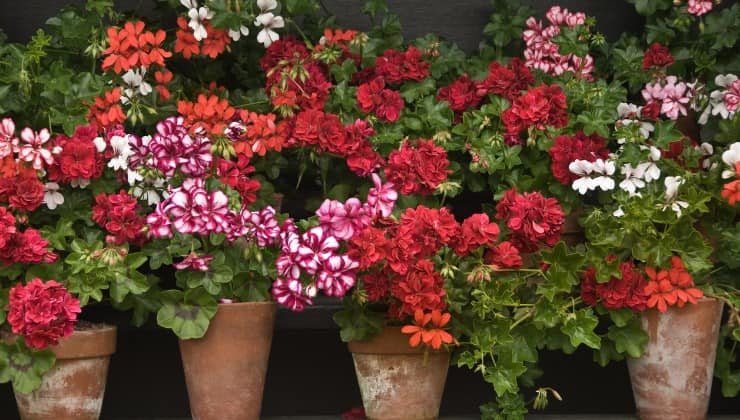
Also, avoid overwatering or underwatering. Check soil moisture regularly and water only when the soil surface feels dry to the touch. In general, petunias, geraniums, and roses require regular watering, while orchids require a more targeted watering regimen.
Dressing will help restore even fragile and yellowed flowers and promote more lush growth.
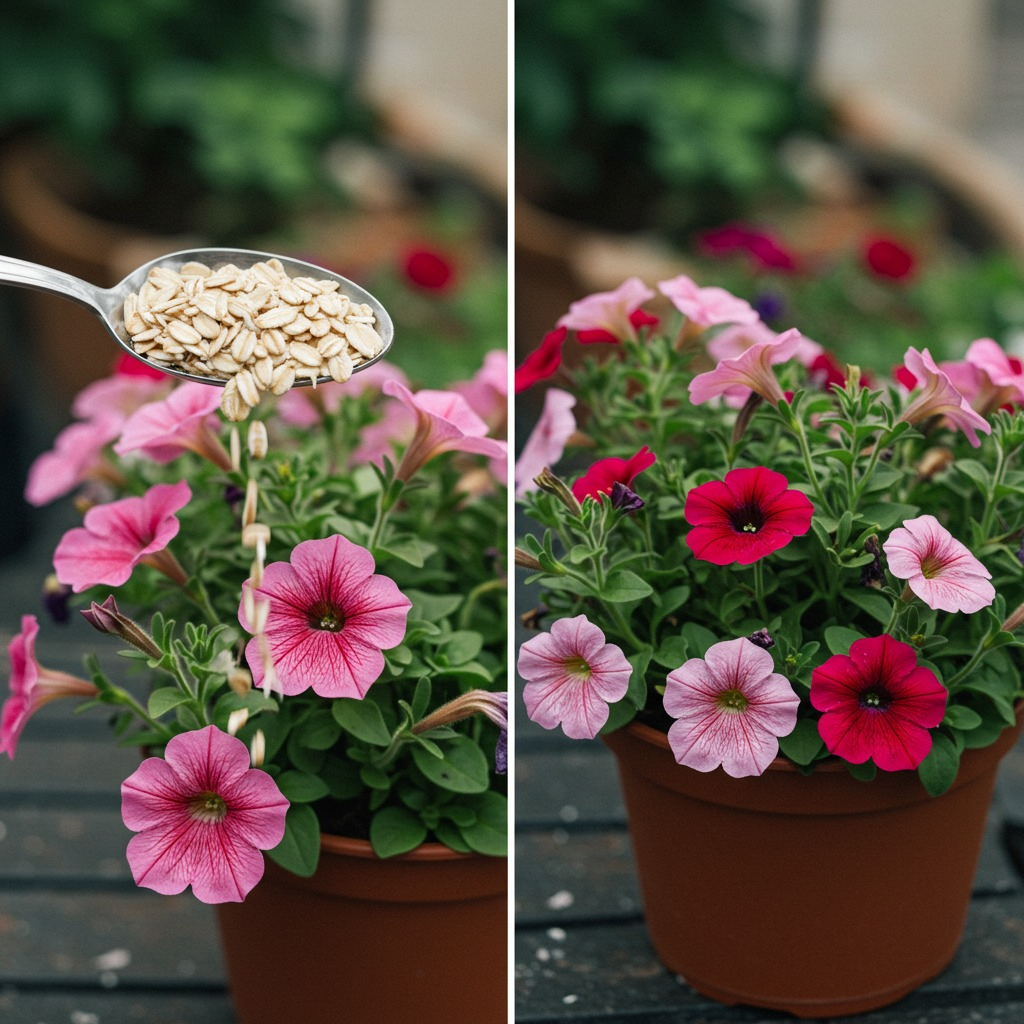
To make this dressing, we need oats. To do this, take half a glass of oat flakes and pour it into a one-liter jar.
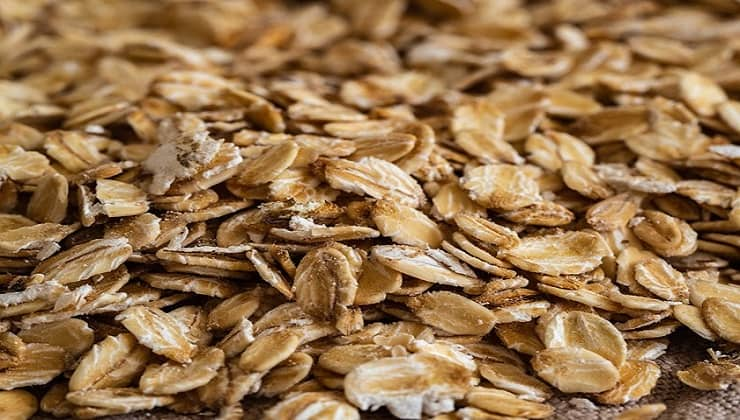
We fill it to the top with warm water and let it sit for two or three days. Then we filter the solution and dilute it with water in a ratio of 1 part liquid to 4 parts water, and finally, apply it to the plant roots.
If you want to feed your garden flowers, you can prepare a solution made with 10 liters of water and one cup of oats. Let it steep for three days, stirring each time, and then use this water to water your plants.
There’s no need to filter the solution; simply pour more soil on top.