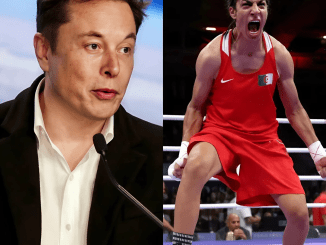
In an event that has shocked the sporting world, American swimmer Lia Thomas has been officially banned from the women’s individual medley at the 2024 Paris Olympic Games. The decision, which was announced in 2024, was made by the Court of Arbitration for Sport (CAS) following a legal battle between the sport’s governing body, the Intergovernmental Sports Federation (IFA), and the sport’s governing body. The case of Oy Exclodes Thomas in the elite women’s event is not only an example, but also sparks a global debate on the issue of fairness and the limits of competitive sport. Now, if it comes to night swimming;
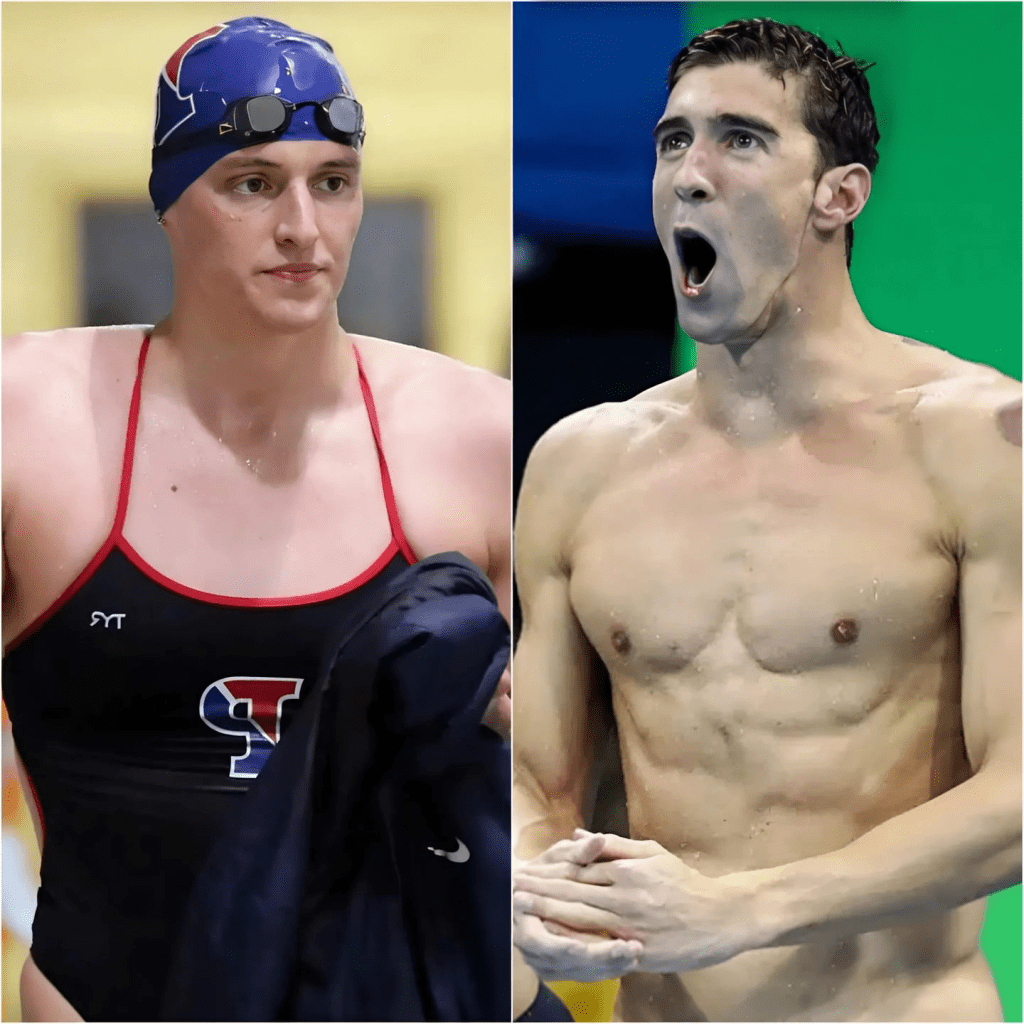
Lia Thomas, 25, became the local champion in 2022, becoming the first woman from Wisconsin to win the NCAA (National Collegiate Athletic Association) championship. Her victory in the 500m freestyle secured her the AQUARIUS and HATROVERSY titles, with Macciola Praisi taking her place, and the other two after her participation in MACHEP. Since then, she has become a symbol of the fight for the sport, but also a target of harsh criticism.
The criterion for applying is compliance with the policy adopted by the 2022 IPA World Swimming Championships, which has established strict rules for the participation of athletes in the Traione II EVEts. According to the Federation, women who have completed the GE Traintioп before the age of 12, or before the men’s race, are eligible to compete in the women’s category. For Thomas, who completed a master’s degree before falling into the trap, this became an obstacle. The swimmer has signed up as an active member of USA Swimming, the American Federation of Entertainment.
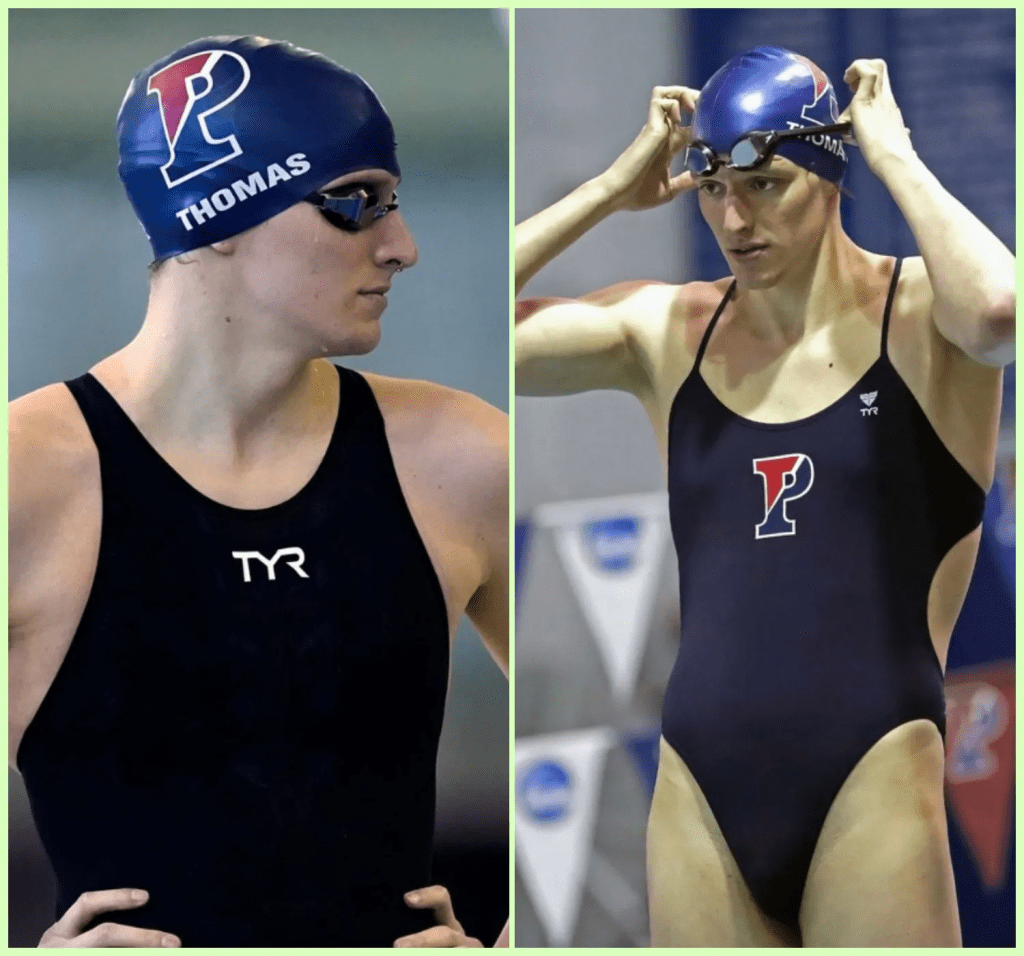
The ruling has generated mixed reactions. World Aquatics praised the verdict as “an important step forward in the protection of women’s sport,” emphasizing its commitment to fairness and equality. In a statement, the organization stated that it had worked to create a permanent governing body for the competition, but that the current rules were insufficient to ensure the integrity of the competitions. Thomas, for her part, expressed deep concern. “Concessions like this are discriminatory and deprive athletes of fewer or disproportionate opportunities,” she stated, calling the decision a “call to action” for other professional athletes to fight for their rights.
Lia Thomas’s case is not just a legal or sporting case: it reflects Chagian society, where controversies over Geeder, biology, and competition are more intense than ever. Experts point out that the aquatic world, although based on scientific arguments in favor of male advantages (such as a greater affinity for the depths rather than the ability to ride), is viable. The World Association for Women’s Health, for example, recommends 14 as the recommended age for elite women’s sport, making the Federation’s policy a global obstacle to elite women’s sport.
Thomas’s bid for the 2024 Olympics is raising concerns, even if only a little, among young swimmers and other sports. The proposal for an “open” category has been widely promised by some, but critics claim its implementation is slow and, in practice, risks isolating athletes from training rather than rendering them inactive. For Thomas, the alternative of Contra competition seems viable: both for reasons of identity and competitive differences, she has been preparing for years to swim in the women’s category.
With the Paris Olympics approaching, Lia Thomas’s case gains new momentum. For some, she is a victim of unfair competition; for others, an example of how sport trumps purse strings. Now, one thing is certain: her story will be a battle for resilience, a challenge to the world to find the balance between justice and equity on the planet’s most important stage.