US Treasury Scott Bessent has announced ‘an agreement’ between the US and China.
Since Donald Trump announced April 2 as ‘Liberation Day’ for the US, unleashing tariffs on countries across the globe, the US and China have ended up in a brutal game of tariff table tennis.
China ended up the worst hit by the POTUS’ tariffs – tariffs reaching as high as 145 percent on some items.
However, despite Trump’s warnings, the country hit back, unveiling its own counter-tariffs as high as 125 percent.
Over a month later, after negotiating with China in Geneva, Bessent revealed during a press conference that the US and China have at least agreed to a ’90-day pause’ to tariffs.
Whether this will mark an end to the trade war altogether, we’ll have to wait and see, but Bessent revealed both sides have also agreed to slash tariffs too.
He said: “[Both sides have also agreed to] substantially move down the tariff level. Both sides on the reciprocal tariffs will move their tariffs down 115 percent.”
China was charged as high as 125 percent on some US goods, and the US charged 145 percent on some Chinese imports.
The rates are subsequently set to fall to 10 percent and 30 percent for the 90-day period ahead. However, the US’ measures were placed on China in a bid to tackle the illegal trade in fentanyl reportedly remain.
US trade representative Jamieson Greer noted: “Both the Chinese and United States agreed to work constructively together on fentanyl and there’s a positive path forward there as well.”
The pause is reported as beginning on May 14, with both countries set to ‘establish a mechanism to continue discussions about economic and trade relation,’ as per a joint statement on the deal quoted by the BBC.
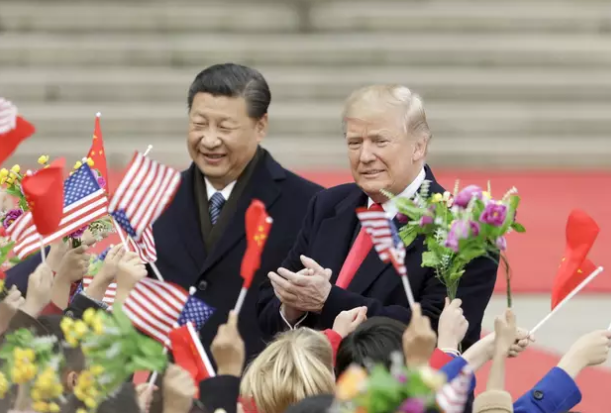
China and the US have reached an ‘agreement’
It follows Chinese Vice Premier He Lifeng reflecting on discussions as being ‘constructive,’ state news agency Xinhua reports.
China’s ministry of commerce said in a statement, as quoted by the Financial Times: “We believe that continued consultations will help resolve issues of concern to both sides in the economic and trade fields.”
Bessent added during the press briefing this morning: “We want more balanced trade, and I think both sides are committed to achieving that. Neither side wants a decoupling.”
Beijing’s ministry of commerce added: “[China and the US have agreed to] continue to advance related work in a spirit of mutual openness, continuous communication, co-operation and mutual respect.”
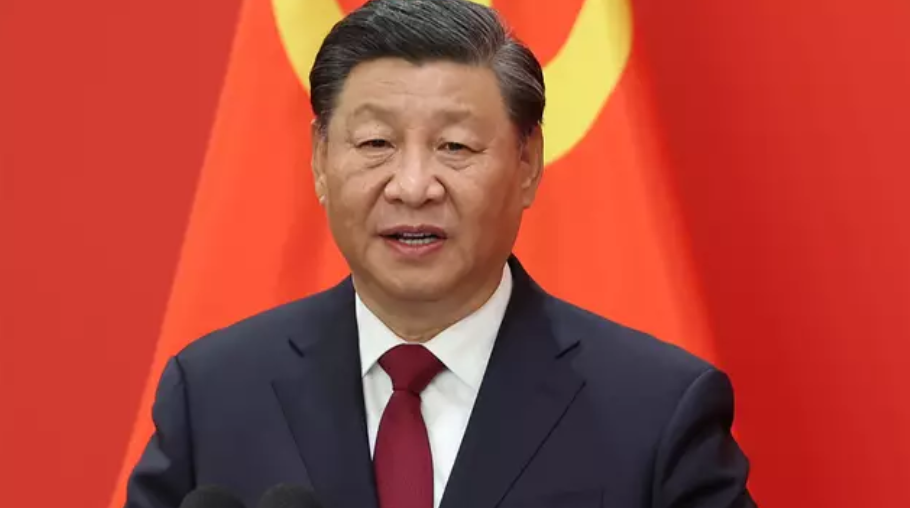
China issues scathing response to Trump after he claimed their president called him to discuss tariffs
Donald Trump may have been overplaying his success with China negotiations as the nation responds to ongoing trade tensions.
Since Donald Trump returned to the White House, he has made it clear he will be doing things differently, and ‘Liberation Day’ (April 2) was certainly a clear indication of this.
On this day, he announced his huge economic plan and the many new tariffs he would introduce or increase for countries worldwide.
China was one of the nation’s most impacted and has retaliated in kind. Twenty-five per cent tariffs had already been applied on goods from China, leading to the government hiking tariffs by 34 per cent (to a combined total of 54 per cent) on Trump’s ‘Liberation Day’.
China weren’t fans of this move and immediately filed measures against the US, which included 15 percent tariffs on US farm products, ten percent on crude oil and agricultural machinery, and 34 percent on all US goods.
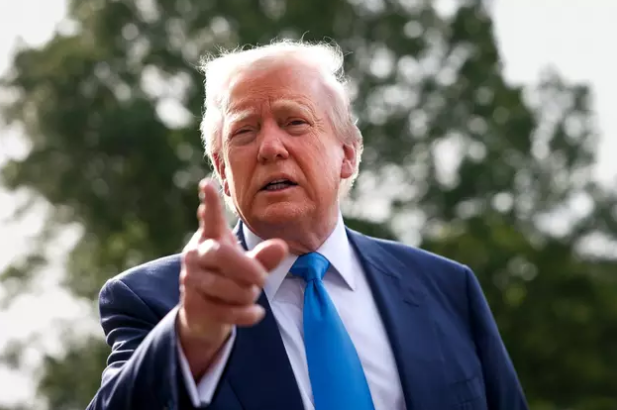
Donald Trump insisted China and US would find a way to work together regarding their ongoing tariff war
This eventually resulted in Trump raising the tariff on China to 145 percent, and then to 245 percent, while pausing the tariff plans for all other countries for 90 days, as China raised tariffs on all US goods to 125 percent, while also reducing exports of rare earth minerals.
Both Trump and China’s president, Xi Jinping, have made it clear that neither of them are going to go down without a fight, with China saying it is ‘ready to fight till the end’, while Trump has previously claimed that the country has ‘played it wrong’.
When quizzed on this by reporters about the ongoing feud, Trump said he would not play hardball with the nation and that both would find a way to work together.
Speaking on Tuesday (April 22), he said: “No, no, we’re going to be very nice. They’re going to be very nice, and we’ll see what happens. But ultimately, they have to make a deal, because otherwise they’re not going to be able to deal in the United States, and we want them involved.
A few days later, he insisted that he had spoken to Xi recently, though he did not specify what the two discussed.
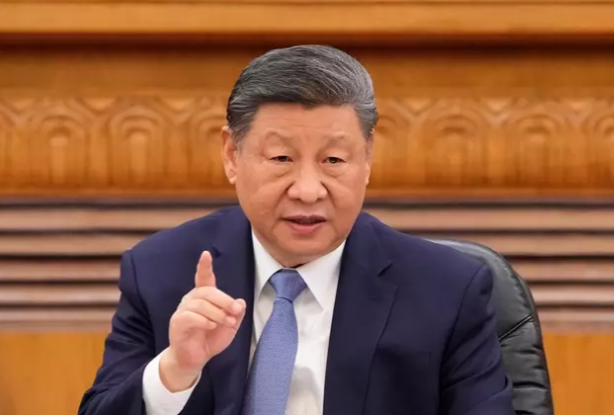
Trump claims he’d spoken to Xi Jinping, however, a spokesperson has denied that this call had happened
In an interview with Time published last week Friday (25 April) he insisted that Xi had attempted to call, saying: “He’s called. And I don’t think that’s a sign of weakness on his behalf.”
However, Chinese Ministry of Foreign Affairs spokesperson Guo Jiakun denied Trump’s claims, saying in a statement (via Reuters): “As far as I know, the two heads of state have not called each other recently.
“I want to reiterate that China and the United States are not engaged in consultations or negotiations on the tariff issue.”
CNN reports that according to publicly available records, the last time the two leaders spoke by phone was on January 17 before his inaugration.
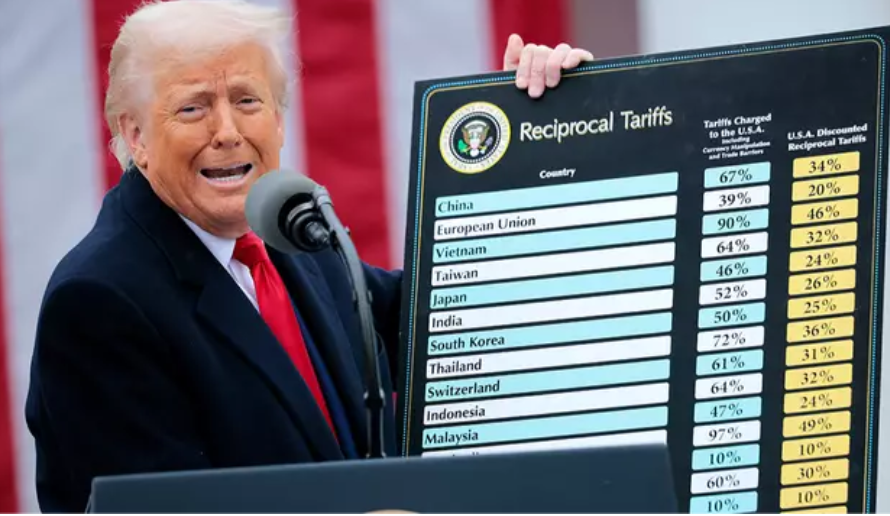
Trump makes bold claim on what global tariffs will do to income tax for 85% of US households
Taking to Truth Social, President Donald Trump has insisted his ongoing tariff wars with… well everyone, will ultimately benefit most Americans.
Writing on his social media platform, Donald Trump said that his tariffs will result in a reduction of income tax for households that bring in less than $200,000 a year.
According to the 2023 data from the U.S. Census Bureau, only 14.4% of households earns more than $200,000, meaning that an estimated 85.6% of households will benefit.
Trump said: “When Tariffs cut in, many people’s Income Taxes will be substantially reduced, maybe even completely eliminated. Focus will be on people making less than $200,000 a year.
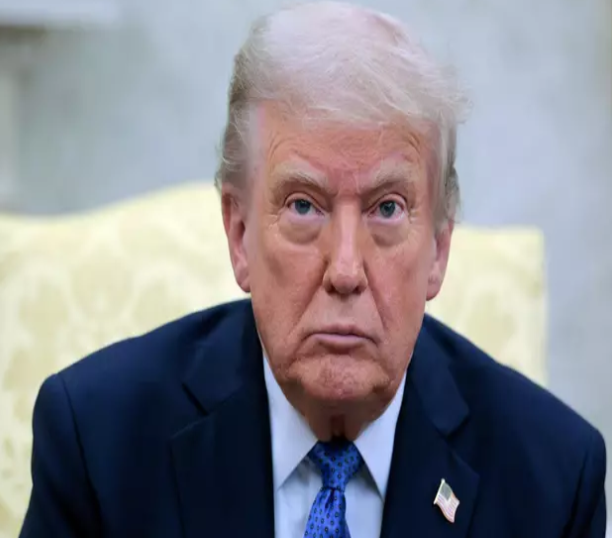
“Also, massive numbers of jobs are already being created, with new plants and factories currently being built or planned. It will be a BONANZA FOR AMERICA!!! THE EXTERNAL REVENUE SERVICE IS HAPPENING!!!”
But this post hasn’t inspired total confidence from everyone.
People on Reddit recently reflected on Trump’s claims and admitted they have quite a few reservations about its effectiveness.
One person commented: “A. We are at peak employment. B. We are already manufacturing more than ever in U.S. history. C. This is insane ramblings.”
Another added: “Trump doesn’t understand – we manufacture software, design and movies not engine pistons and make a f**k ton of money from it.
With a third writing: “That’s what’s so baffling about all of this. It can’t do both. It’s impossible. How has no one on his team informed him of this. If it’s bringing jobs back it’s not raising money and if it’s raising money it’s not bringing jobs back.”
And another said: “So which is it? Countries are all making deals with him or hes using tariffs to reduce income taxes? You literally cannot have it both ways.”
Trump has repeatedly defended his economic plan since announcing the tariffs for nations across the world earlier this month.
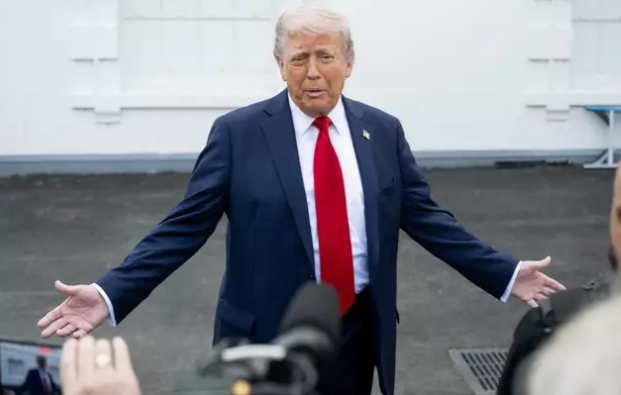
Economists have also warned the plans could see Americans footing the bill, from their groceries to cars and even their retirement plans. But Trump has insisted his tariffs are the answer and will ultimately work out for the American people.
Earlier this month, he wrote on Truth Social: “We have massive Financial Deficits with China, the European Union, and many others. The only way this problem can be cured is with TARIFFS, which are now bringing Tens of Billions of Dollars into the U.S.A.
“They are already in effect, and a beautiful thing to behold.”
Trump makes major U-turn on 145% China tariffs with shocking new proposal
Donald Trump has weighed in on what ‘seems right’ to update China’s tariffs to after previously raising them to 145 percent.
Not long after being sworn in for a second term at the White House, Trump branded April 2 ‘Liberation Day’ for America.
The POTUS unveiled a series of tariffs against countries across the globe with China ending up impacted most severely.
Prior to the big announcement, 20 percent tariffs had already been applied on goods from China, which was then hiked by 34 percent.
Unsurprisingly, China didn’t react so well to the news, not only hitting back with tariffs of its own, but also filing a lawsuit at the World Trade Organization, which then led to Trump to raise the tariffs against the country to 104 percent.
On 9 April, he then increased tariffs to 145 percent for most Chinese goods – with certain products facing a staggering 245 percent tax.
But it would appear Trump has now had a change of tune.
Taking to Truth Social earlier today (May 9), Trump wrote: “80 percent Tariff on China seems right! Up to Scott B.”
In another post, he added: “CHINA SHOULD OPEN UP ITS MARKET TO USA — WOULD BE SO GOOD FOR THEM!!! CLOSED MARKETS DON’T WORK ANYMORE!!!”
Whether Trump will actually commit to the suggestion, who knows, but top US officials Treasury chief Scott Bessent and US trade representative Jamieson Greer are reported as being set to meet with a high-level Chinese delegation this weekend.
Trump’s post also follows comments he made at the swearing in ceremony of Paul Atkins as the Securities and Exchange Commission chair on Tuesday.
Trump said: “We’re doing fine with China. We’re going to live together very happily and ideally work together.”
He added the final tariff rate against the country would be brought down ‘substantially’ although didn’t clarify by how much.
The POTUS simply said: “It won’t be that high, not going to be that high.”
It follows the White House releasing a statement explaining the tariffs being imposed on China, stating the rate was set to ‘ensure US trade policy serves the nation’s long-term interests’.
The statement continued: “On Day One, President Trump initiated his America First Trade Policy to make America’s economy great again. On Liberation Day, President Trump imposed a 10% tariff on all countries and individualized reciprocal higher tariffs on nations with which the U.S. has the largest trade deficits in order to level the playing field and protect America’s national security.
“More than 75 countries have already reached out to discuss new trade deals. As a result, the individualized higher tariffs are currently paused amid these discussions, except for China, which retaliated.”
China and US tariff war explained as Trump threatens 104% rates
China is in an intense stand-off over trade with the US after the president threatened to inflict an eye-watering combined tariff of 104 percent on Chinese goods.
The US president managed to agitate global stock markets and sour relationships with the country’s historic trading partners, all in a day’s work last week.
Donald Trump announced his vision to inflict ‘reciprocal tariffs’ on foreign goods from around the globe, whether ‘friend or foe’, on April 2.
While many have been hit with a baseline 10 percent tariff, dozens of countries are bracing for higher taxes as of Wednesday (April 9) in a move Trump hopes will boost the economy, jobs and domestic industries.
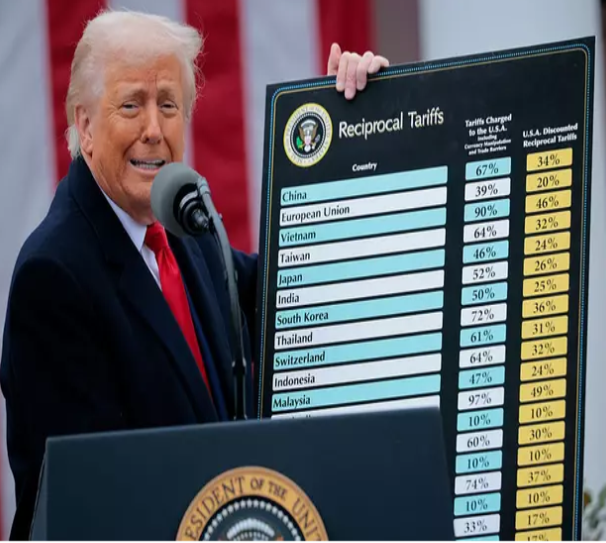
In his ‘Liberation Day’ speech, Trump said the second lot of tariffs would apply to the ‘worst offenders’ and specifically picked on the European Union and China, describing them as the biggest culprits who ‘rip us off’ the most.
“This is Liberation Day,” the POTUS said from the Rose Garden. “We’ve been waiting for a long time, April 2, 2025, will forever be remembered as the day American industry was reborn, the day America’s destiny was reclaimed, and the day that we began to ‘Make America Wealthy Again’.
“For decades our country has been looted, pillaged, raped and plundered from nations, near and far, from both friend and foe alike.”
Now that China has vowed to ‘fight to the end’ in the bitter US trade war, here’s everything you need to know about the spat so far.
What tariffs did Trump announce on China?
The US initially launched a trade war with China all the way back during Trump’s first term, and Joe Biden simply preserved the tariffs during his presidency.
The spat has been simmering away ever since, and has now reached boiling point with Trump back in office to continue his assault on Chinese imports.
Within days of returning to the White House, he took aim at China, Mexico and Canada, accusing them of facilitating illegal immigration and drugs into the States.
A 10 percent tariff was then applied to all Chinese imports to the US on February 4.
This provoked China to strike back, applying 15 percent tariffs on coal and liquefied natural gas plus a 10 percent levy on crude oil, agricultural machinery and large-engine cars from the US as of February 10.
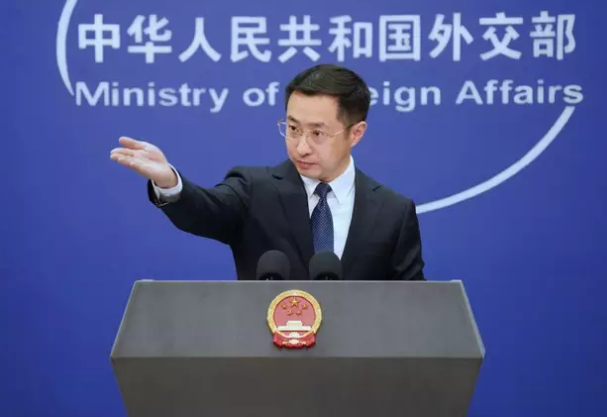
China’s Foreign Ministry Spokesperson Lin Jian has accused the US of ‘blackmail’
Then on March 4, Trump doubled the tariff on all Chinese imports to 20 percent.
Continuing the to-and-fro momentum, China retaliated by announcing tariffs of up to 15 percent on US farm products, like chicken, pork, soybeans and beef.
The POTUS then threatened to inflict a 25 percent tariff on all imports from countries that buy oil or gas from Venezuela, where China stands as the country’s biggest buyer, purchasing 68 percent of its oil in 2023, reports PBS.
On April 2, Trump then confirmed the US will charge a 34 percent tax on imports from China on top of the existing 20 percent, presenting a 54 percent hike in total.
How did China respond?
As expected, China isn’t best pleased with the move.
Beijing declared in less than 72 hours that it would impose a 34 percent tariff on US products as of April 10 to match Trump’s tariffs.
In response, Trump said China would have another 50 percent tax applied as of April 9 – bringing the tariffs to a combined total of 104 percent – if the country refuses to remove the levy.
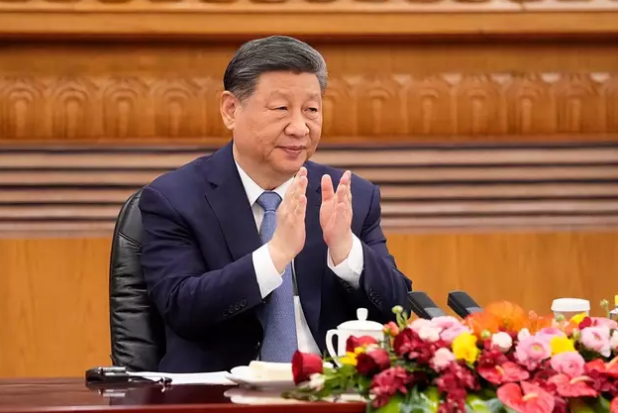
China’s Commerce Ministry has accused the US of ‘blackmail’ and ‘bullying’ and hinted more counter-tariffs could be on the way for American goods in the stand-off with Trump.
The ministry said: “The US threat to escalate tariffs on China is a mistake on top of a mistake and once again exposes the blackmailing nature of the US.
“China will never accept this. If the US insists on its own way, China will fight to the end.”
The nation has also filed a lawsuit with the World Trade Organization (WTO), stating Trump’s tariffs ‘seriously violates WTO rules’.
Why Trump didn’t like China’s reaction
Trump has called China the ‘biggest abuser of them all’ when it came to trading practices – and isn’t showing any signs of bowing out of the battle.
Taking to his Truth Social platform, he said China’s tariffs are harming the US.
“Oil prices are down, interest rates are down (the slow moving Fed should cut rates!), food prices are down, there is NO INFLATION, and the long time abused USA is bringing in Billions of Dollars a week from the abusing countries on Tariffs that are already in place,” Trump wrote.
“This is despite the fact that the biggest abuser of them all, China, whose markets are crashing, just raised its Tariffs by 34 percent, on top of its long term ridiculously high Tariffs (Plus!), not acknowledging my warning for abusing countries not to retaliate.”
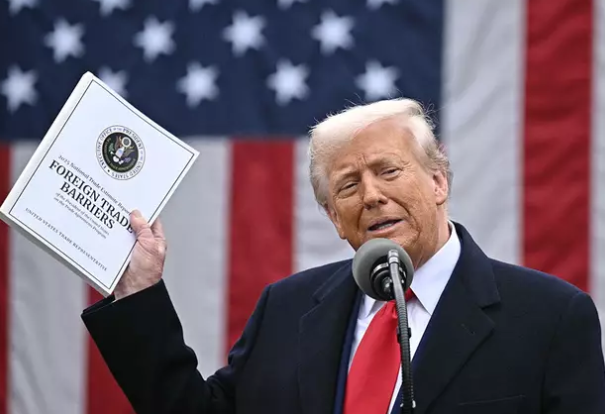
The POTUS says 104 percent tariffs in total will hit Chinese imports if the country doesn’t remove its 34 percent tax on US goods
What happens next?
Well, if China doesn’t reconsider its reciprocal tariff and Trump is serious about bringing in a combined total of 104 percent levy on Chinese goods, it’s expected China will probably retaliate. And so on, until some sort of agreement is reached or at least a pause to negotiate is made.
Meanwhile, financiers warn global stock markets will continue to yo-yo amid the turmoil while many US investors, including billionaire and Trump-ally, Bill Ackman, call for calm and a ‘timeout’ to mitigate risks.